Moose Magic

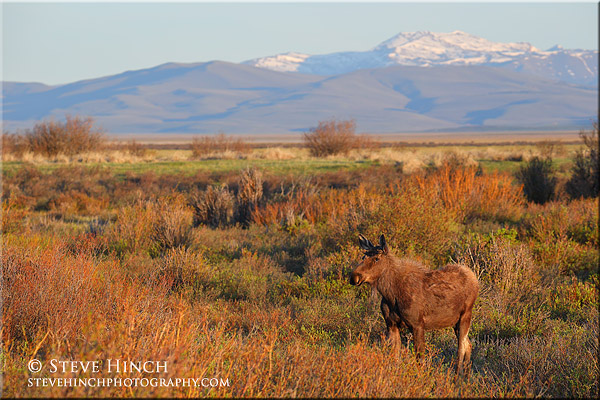
Bull moose. 200mm, beanbag, 1/800 @ f8, ISO 800

The west entrance to Yellowstone will open tomorrow, June 1st, but I’m in no hurry to enter the park. Yellowstone is a truly amazing place, but there are so many amazing places to explore without the crowds. For me personally, nature is at it’s finest when not crowded with people, such as a few mornings ago when I watch three young bull moose grazing in the willows. I enjoyed this scene by myself, the only sound breaking the silence was the singing of birds, for probably half an hour. It was truly a magical experience.
The Masked Warbler

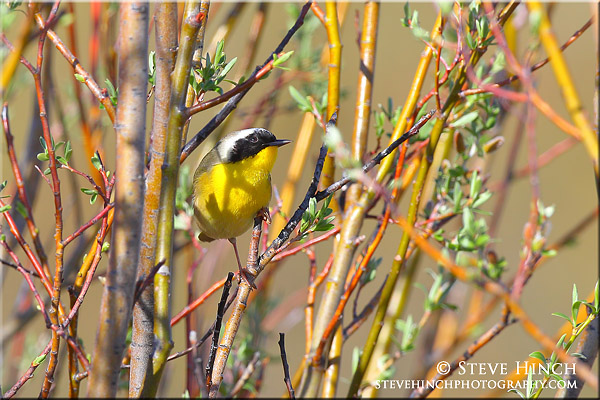
Common Yellowthroat. 500mm, tripod, 1/640 @ f8, ISO 500

This was a first for me, I had never seen a common yellowthroat before until yesterday when I encountered plenty of them. Even though they’re pretty common, I was happy to finally see them. And they really should be called the “masked warbler” given the cool mask they have across their face!

Elk Migration

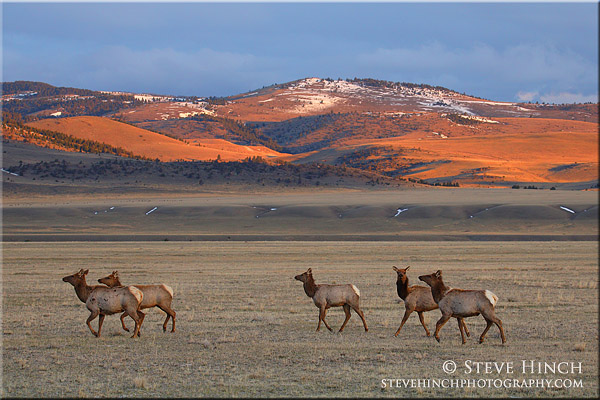
Elk. 150mm, beanbag, 1/400 @f8, ISO 1600

Elk have been moving up from their wintering grounds to higher elevations as the snow level recedes and new grasses grow. This image was taken last month and shows a few of what was a much larger herd of elk as they moved through a very typical Montana scene on an April morning. Not visible in the image at this resolution is the large herd on the benches in the distant background.

Tanager versus Goldfinch

Western tanager and American goldfinch. 500mm, tripod, 1/400 @ f5.6, ISO 800

This was a fun moment yesterday. While photographing the American goldfinch, a western tanager landed on the same branch. I focused on the tanager, so the goldfinch is slightly out of focus but fun all the same.

Black Bear

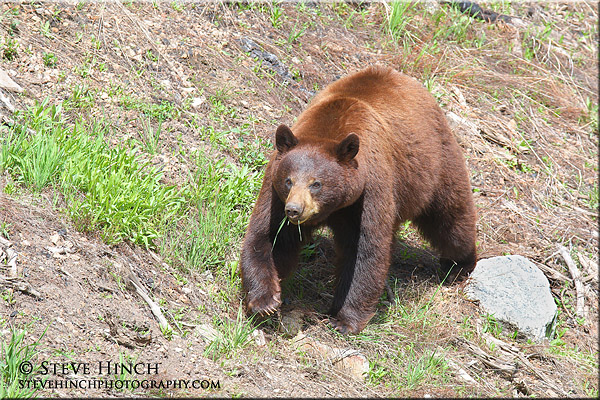
Black bear. 500mm, beanbag, 1/640 @ f8, ISO 800

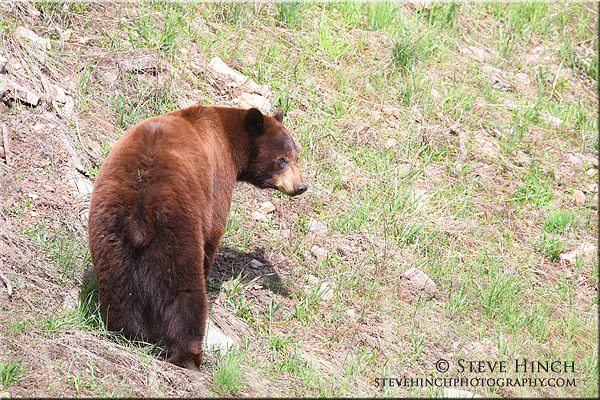
I love our national parks and truly believe they’re one of the best things we’ve ever done as a country. But it’s also the serenity of nature and seeing and experiencing nature without a “Disney” type atmosphere that makes these places special. With the crowds in the parks in recent years, I’ve really preferred to spend my time in other areas. It can take a little more work to find animals, but it’s often more rewarding when it happens. I recently came across this chocolate-colored black bear a few days ago. It grazed quietly on grass as I watched and photographed safely from my car. Eventually it moved into the trees up the hillside, the moment was wonderful and I’m thankful for each of these quiet encounters when they occur.

Black bear. 500mm, beanbag, 1/640 @ f8, ISO 800

More Arriving Birds

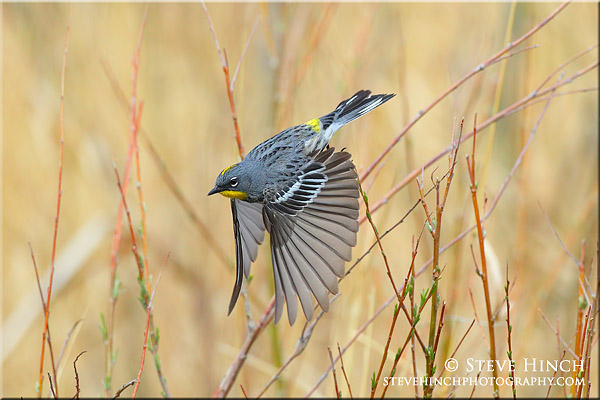
Yellow-rumped warbler. 500mm, beanbag, 1/5000 @ f5.6, ISO 1600

I spent a couple of days last week photographing yellow-rumped warblers. This one was in a campground and I used my car as a photo blind. That strategy doesn’t always work with birds though. The previous day, in a different area, I tried using my car as a photo blind, but the warblers would have nothing to do with it. This male was swooping in to catch an insect on the ground. This color variation of the yellow-rumped warbler is an Aubudon’s, which is more common in the western mountains of the US.

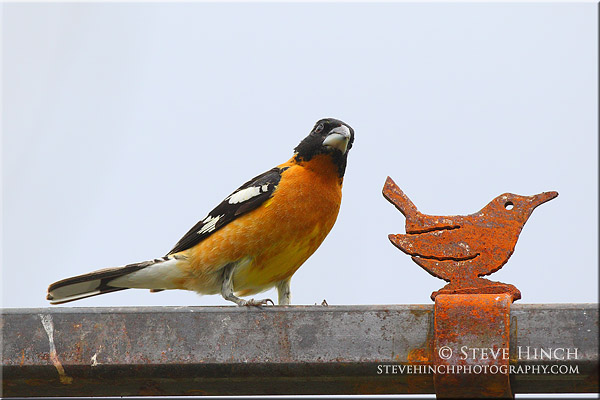
Below, I’ve added a bonus photo in addition to what I posted on Facebook. This is a black-headed grosbeak and they are also arriving into the state now. This one was photographed at a city park in Bozeman, Montana.

Black-headed grosbeak. 500mm, tripod, 1/2500 @ f5.6, ISO 500

Real Nature

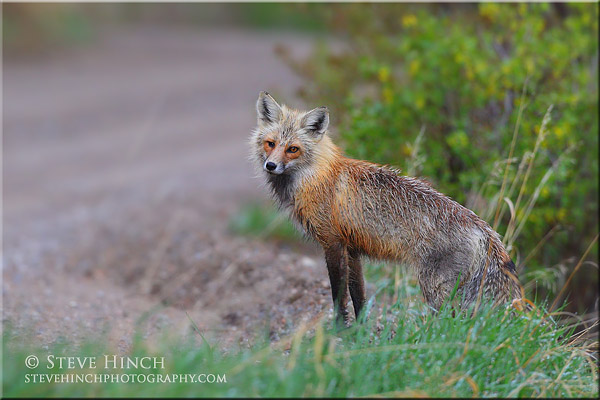
Red Fox. 500mm , tripod, 1/1250 @ f5.6, ISO 1600

I wanted to share this image of this fox for a reason. If you look closely, you might notice that the fox is blind in one eye. Her, assuming it’s a her, ears are ragged, and she’s wet from the rain the night before. I’m not writing this in order to make you feel sad for her. In fact, she was quite healthy and doing well. I had just seen her cache two ground squirrels she had caught, possibly for a den with kits. But my reason for sharing this is because nature isn’t about just pretty, perfect animals. This fox represents much more about nature and the lives wild animals live. She was rightfully skittish of me and it took a lot of patience for me to even capture this image. Despite my best efforts, she obviously knew I was there.

Violet and Green

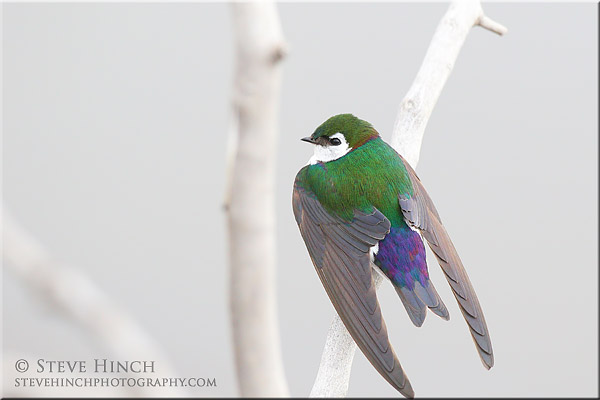
Violet-green swallow. 500mm, handheld, 1/800 @ f5.6, ISO 1600

This violet-green swallow was part of a massive mixed flock of swallows I encountered a few days ago as they flew along a lake edge catching insects. They would rest in large groups along the lake edge before going back out to feed. I was able to photograph not only this species but also northern rough-winged, tree, and cliff swallows. It was quite a treat! I almost didn’t take this photo because I thought the branch in the middle would ruin the shot, but the colors displayed by the swallow more than make up for it, in my opinion.

A Day of Firsts

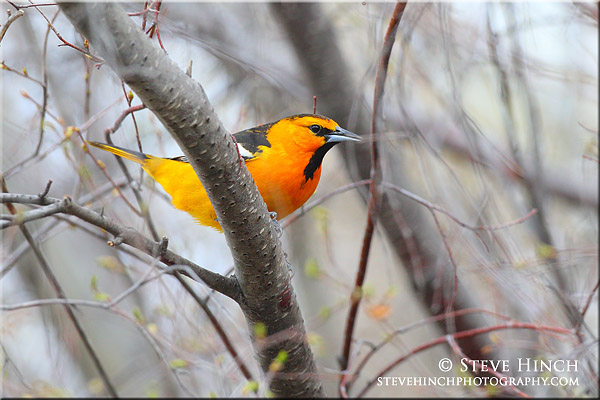
Bullock’s Oriole. 500mm, beanbag, 1/500 @ f5.6, ISO 1600

I had a cool surprise yesterday morning when I was able to photograph my first Bullock’s oriole. I saw a female in a tree and parked near it. As I scanned the tree I couldn’t find the female. Just then, the male landed on a branch next to me. Earlier in the morning I photographed my first red-breasted merganser and then shortly after the oriole, I photographed my first ever downy woodpecker.

Cedar Waxwings

Cedar Waxwings. 500mm lens, tripod, 1/640 @ f11, ISO 500

Thanks to everyone who has and continues to support my work and business through these difficult times. Whether by ordering prints or books, or simply by interacting with my posts on Facebook or my blog, I’m thankful for each of you.

I’ve only ever had one other chance to photograph cedar waxwings, the birds seen here. A few days ago, as I was out, I came across a large flock on them as they used a tree near a lake. They would fly out over the lake and catch insects and then come back to the tree. I watched and photographed them for close to two hours but once I was back home, I wished I had even more time with them, but was grateful for what time I was able to spend there.

Cedar Waxwing. 500mm lens, tripod, 1/1600 @ f8, ISO 500