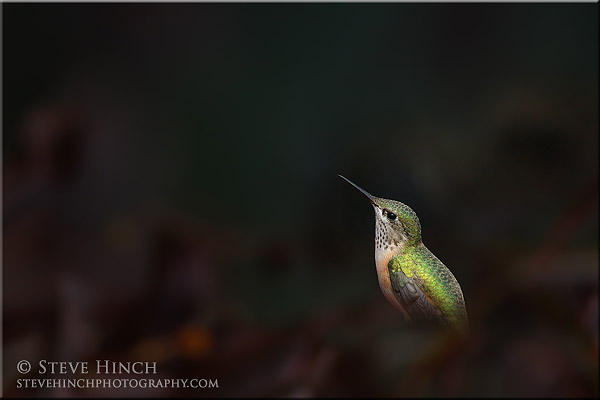
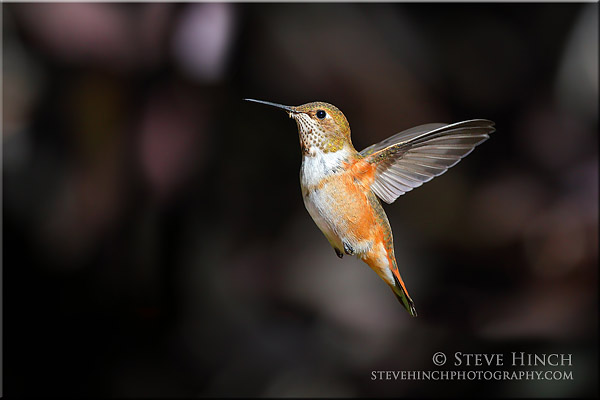
This is the second of three hummingbird species that have visited my yard in the past couple of weeks. It can be really difficult to identify which species a female hummingbird may be as they are all very similar. When in flight, differences in the tail feathers is often a great way to tell them apart. Fortunately later I photographed the bird as it stretched it’s tail feathers which, along with the white eye ring, helped me recognize it. Here, while it perched, I spot metered off the bird in order to get the best exposure. The early morning light was only on the bird while it’s surroundings were still in shadow.
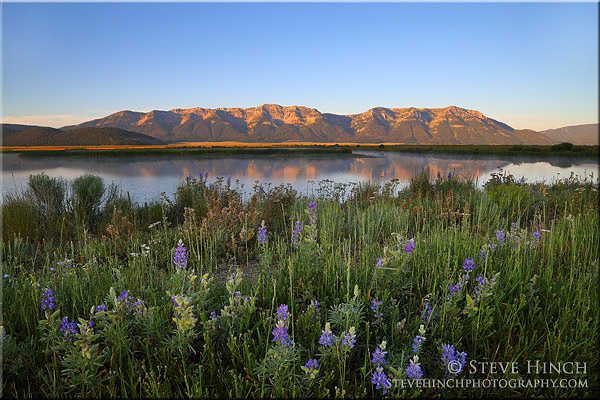
Mountains, water, and some flowers, what more could I ask for? I guess a moose or something in the water would work but hey, there always needs to be something to strive for, right? This image was from July on a still, cool morning. The only sound was from singing birds who were occasionally joined by a yipping coyote.
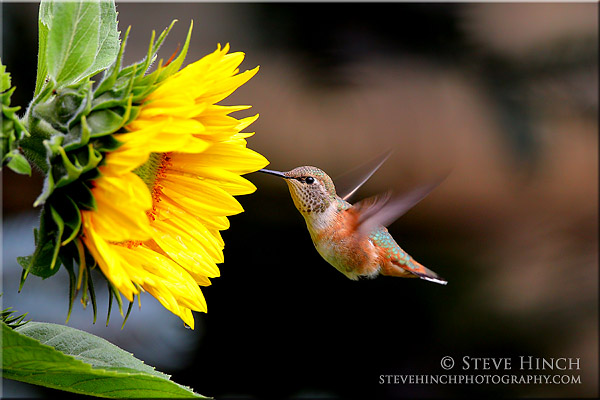
Rufous hummingbird on a sunflower. Canon 5d4, 500mm + 1.4 TC, tripod, 1/500 @ f5.6, ISO 1600
I’ve been really fortunate to have a few hummingbirds hanging around lately. These guys spend the winter in places like Arizona, Texas, or Mexico, but during the summer come up into the northern part of the US and southern part of Canada. I’ve had two species of hummingbirds visit this week, a broad-tailed hummingbird and this rufous hummingbird. Rufous hummingbirds are known for being territorial and I actually saw this little guy chase off a significantly larger Canada jay and, a few minutes later, a red squirrel! I put in a lot of hours trying to get this little one on my sunflowers and was pretty thrilled when it happened.
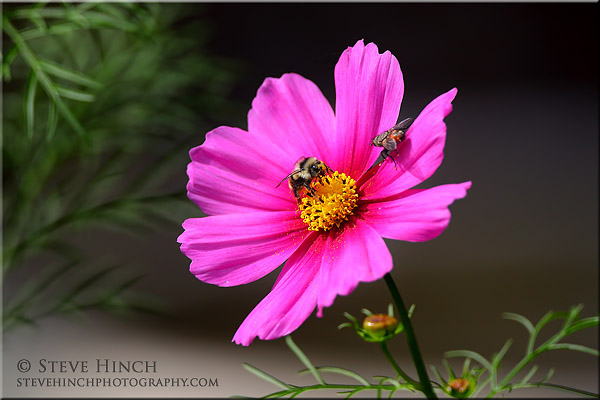
Cosmos, a bee, and a fly. Canon 5d4, 500mm + 1.4 TC, tripod, 1/2000 @ f5.6, ISO 800
Earlier this year in the spring, I planted a bunch of seeds in our garden, not really knowing what they were or what would bloom. That said, I’m also not an entomologist and really don’t know my insects, so we’ll keep it simple and call these a bee and a fly. They both came to this cosmos blossom while I was photographing it and a fight ensued, lasting about two seconds, with the bee running the fly away. So I’m not sure if this is a flower photo, wildlife photo, bug photo… But I liked it and thought I would share it. Another “flower” photo is coming on Sunday.
I hadn’t taken any new photos for about ten days until Friday when this rufous hummingbird showed up in our yard. I spent about an hour or more photographing what is either a female or immature male. Regardless, hummingbirds are are beautiful and I was really fortunate to have an opportunity to photograph it. If you notice my settings below the photo, despite strong light, I kept the ISO high because I wanted a fast shutter speed to capture the wings with no blur. At this size, you can’t see it as well, but the wings are still not perfectly sharp, and that’s at 1/4000 of a second. Because of the dark background, I spot-metered off the bird to get the correct exposure.
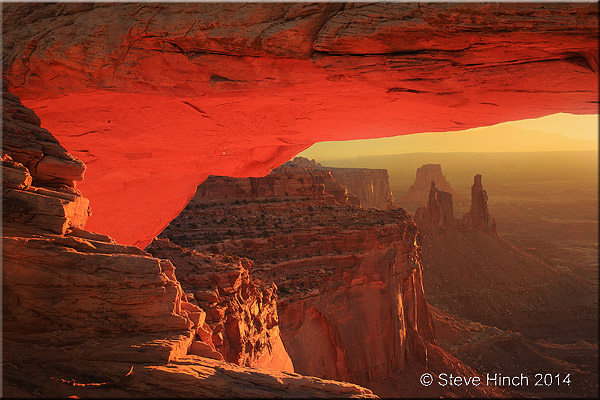
This image comes from Canyonlands National Park and was taken in 2014. The early morning light at sunrise reflects off the red rock to create the glow under Mesa Arch. There’s not much room for photographing the arch, which sits atop a cliff. When I was there in 2014, during the off season, everyone was polite and worked around each other. But since it’s a popular destination for photographers and there’s so little room to “work”, I’ve heard it can be akin to “combat” photography in today’s environment and have even heard of fights breaking out. I’m glad to have photographed this iconic location when I did because I don’t think I could deal with that type of aggressive environment today.
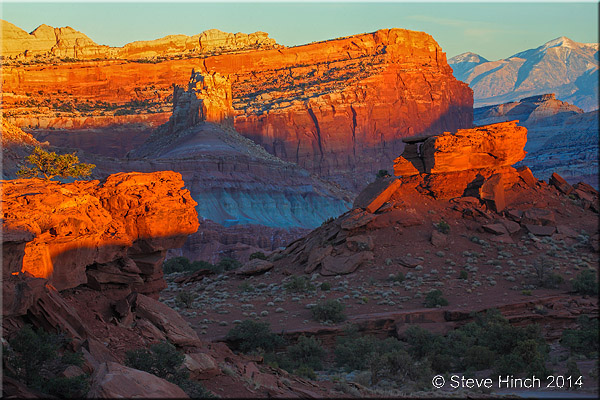
Capitol Reef National Park.
Capitol Reef National Park might not get the attention of some of the other parks in southern Utah, but the scenery is no less beautiful. This image was taken down at sunset back in 2014 when I made a long trip through several national parks and monuments in southern Utah.
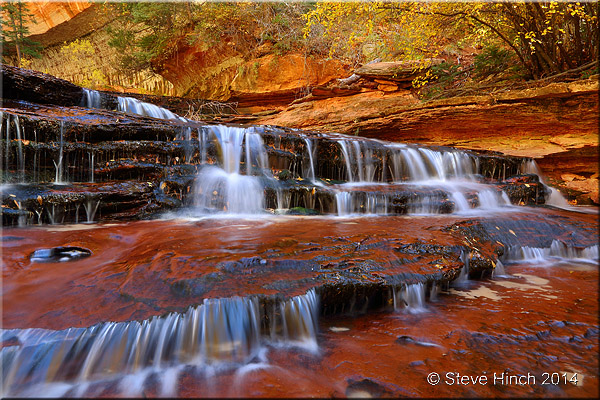
Zion National Park
This scene can be found on a permit-only hike in Utah’s Zion National Park away from the crowded canyon. The trail follows the stream, some times in it to several beautiful spots such as this one. Fall leaves only add to the beauty. More images of Utah’s parks can be viewed here: Utah Gallery.
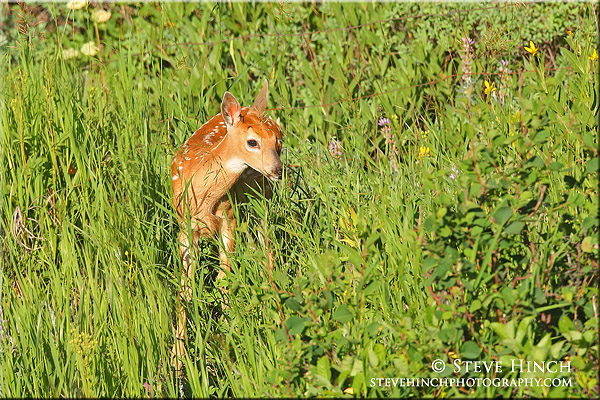
With the heat of summer upon the northern Rockies, wildlife viewing has slowed down considerably. High temperatures at over 6500 feet are reaching into the upper 80s so most wildlife becomes more active at night when it’s cooler and they also move into the higher elevations. So I’ve also taken a bit of a break from being out photographing and am trying to get caught up on processing the many images I’ve taken over the past several months. This whitetail fawn was one of several I was able to photograph in July. I never get tired of the cuteness of these little ones.

 steve hinch photography