Not So Graceful

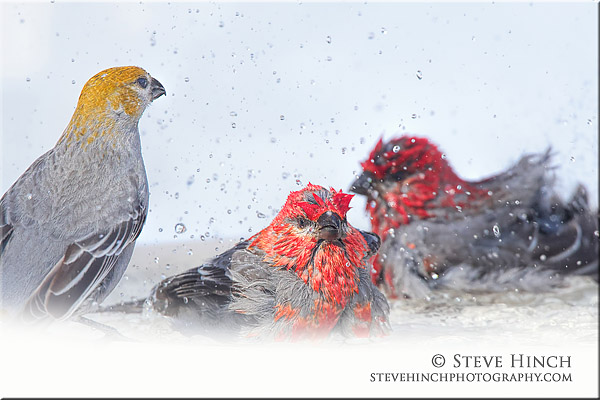
Pine Grosbeaks. Canon R5, 500mm + 1.4 TC, tripod, 1/1600 @ f5.6, ISO 1600

Pine Grosbeaks are rather pretty birds. About the size of a robin, the males have a pretty pinkish-red coloration from the head down through the breast. These birds were bathing in my bird bath a couple of weeks ago and didn’t look quite as graceful as they normally do. These birds summer in high elevations or in northern latitudes and I usually only see them in the winter. As of today, they’re still here in decent numbers though there are definitely less than there were a few weeks ago. In order to get this shot, I took a low angle so that an out of focus snow bank obscured as much of the bird bath as possible since the bird bath wasn’t all that attractive.
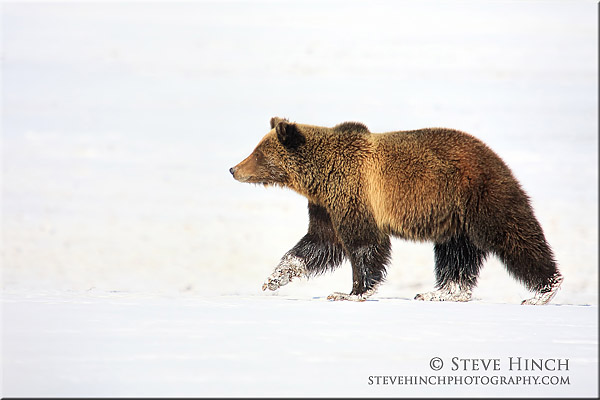
Grizzlies are coming out of hibernation

If you haven’t heard, grizzlies in the Yellowstone Ecosystem are coming out of hibernation. Tracks have been seen in Grand Teton National Park and a grizzly was seen in Yellowstone last week. Before hearing this, we did a short hike last week and did carry our bear spray and if you’re coming out to grizzly country any time soon, it’s time to have it with you. This photo is from a few years ago in April.

Acrobats

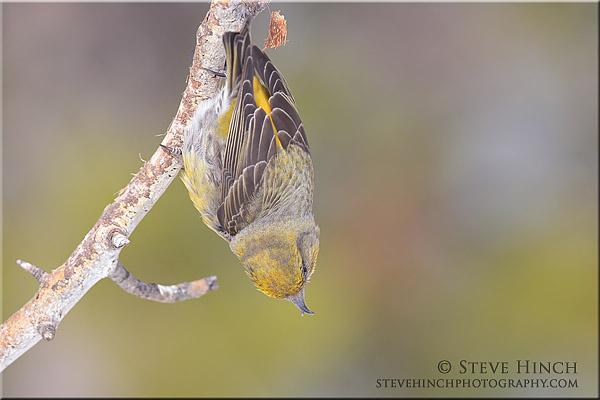
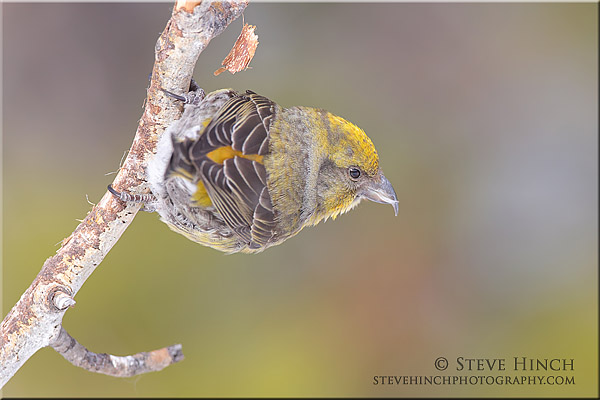
Red Crossbill. Canon R5, 500mm + 1.4TC, tripod, 1/1250 @ f8, ISO 1600

These Red Crossbills certainly can challenge the chickadees for the backyard bird acrobatic competition! There’s lots of reasons I enjoy crossbills but one is because they certainly love to be upside down. Red Crossbills are the bird that officially got me into birding and they’re still among my favorites.

Red Crossbill. Canon R5, 500mm + 1.4TC, tripod, 1/1250 @ f8, ISO 1600

Whitetails and Mountains

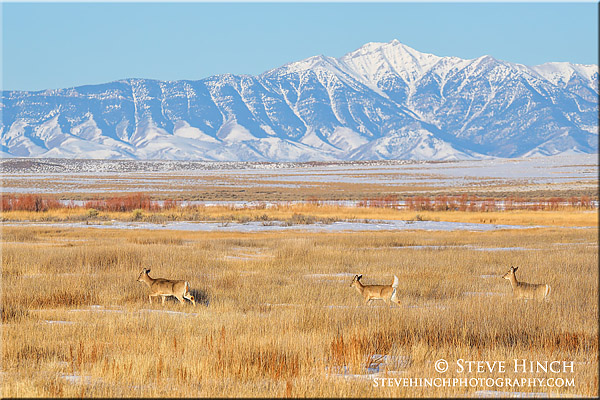
White-tailed Does. Canon 5d4, 250mm, beanbag, 1/2000 @ f8, ISO 800

A few years ago I decided I wanted to do more animal landscapes with my wildlife work. While close-ups tend to get better reaction on social media, I think there’s much more involved in pulling off a good animal-scape. Obviously, there needs to be wild animal(s) but also beautiful scenery to compose the wildlife within. Not every wildlife opportunity happens in a beautiful location but when it does, I switch to a shorter lens and try to work with the possibilities as they present. Such was the case with these whitetails as they moved through a field with beautiful snow-capped peaks rising in the background.

Spring is on it’s Way

Bighorn Sheep Ram. Canon R5, 500mm + 1.4TC, beanbag, 1/4000 @ f8, ISO 1000

We’ve had warmer temperatures throughout Montana recently and the snow pack is beginning to melt in the lower elevations. I’d say this young ram was pretty happy about it as he seemed to smile as he paused to enjoy the warm morning sun. With the dark background and white snow in the foreground, I spot metered on the medium-toned sheep to get the correct exposure.

Where’s My Pants!?!

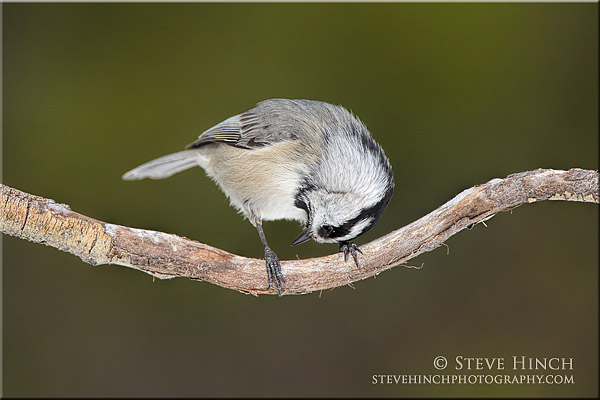
Mountain Chickadee. Canon R5, 500mm + 1.4TC, tripod, 1/3200 @ f5.6, ISO 1000

I’m not entirely sure what this Mountain Chickadee was doing at the time I took this image. I guess it’s always important to make sure you’re wearing pants, even if you’re a bird! If you’ve noticed the captions to my images, I’ve been shooting with the new Canon R5 for about a month or so now. At some point in the new future I’ll write up some of my impressions of this camera.

The Beartooth Highway

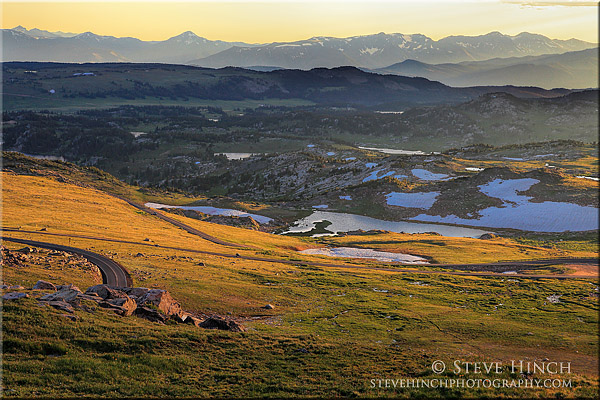
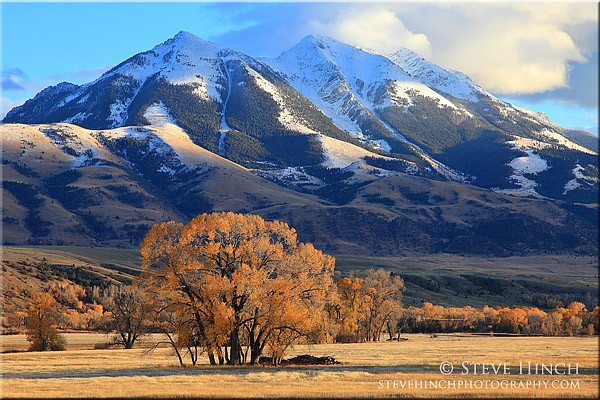
View from the Beartooth Highway. Canon 5d2, 60mm, handheld, 1/60 @ f16, ISO 400

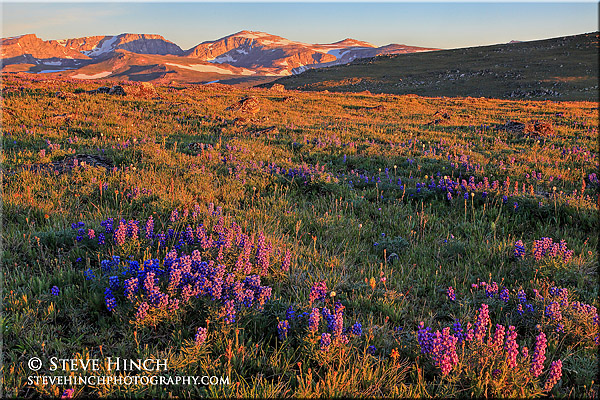
Described by Charles Kuralt as “the most beautiful drive in America,” the Beartooth Highway winds it’s way up to almost 11,000 feet as it travels some truly stunning mountain scenery. Snow can often be present year round and the road can be closed to due to early or late season snow storms. The growing season at these high mountain elevations is short. And while the road can certainly be traveled in a day, for photographers, camping in one of the many campgrounds along the route make it much easier to be on the spot for the best early morning or late evening light.

Wildflowers and Peaks. Canon 5d2, 45mm, tripod, 1/13 @ f16, ISO 320