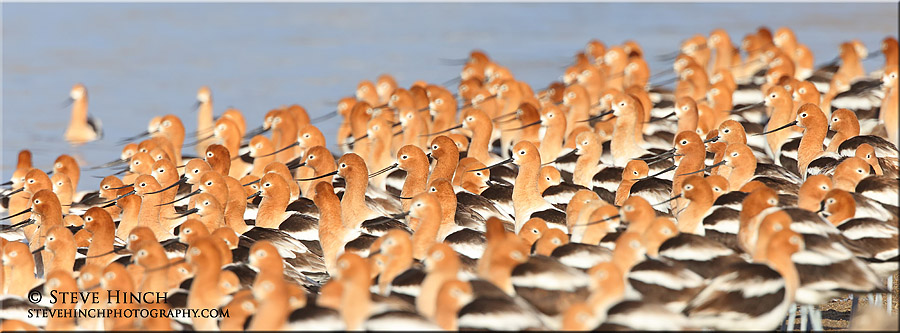
American Avocets

American Avocets. Canon R5, 500mm + 1.4TC, tripod, 1/1250 @ f11, ISO 1600

Yesterday I went back out to a local lake to photograph the loons when I saw huge numbers of “something” down on the lake edge. As I got closer, I saw they were mostly avocets. I counted and there are more than 150 birds in this image and this is about half of the birds that were closest to me. And there were 4 or 5 groups of similar size. There were also about 100 or so black-necked stilts, 20 willets, and 1 marbled godwit, which was a first for me
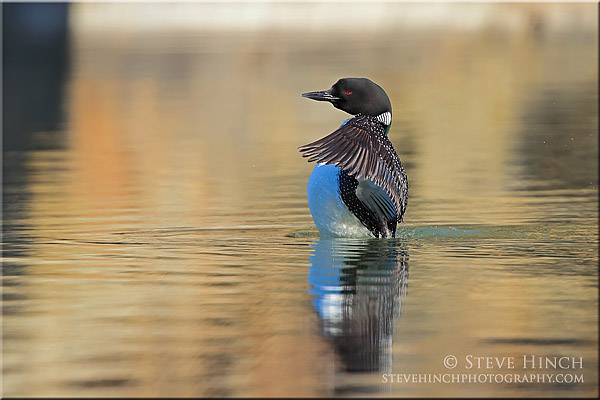
Common Loon

Common Loon. Canon R5, 500mm + 1.4TC, tripod, 1/2500 @ f5.6, ISO 1600

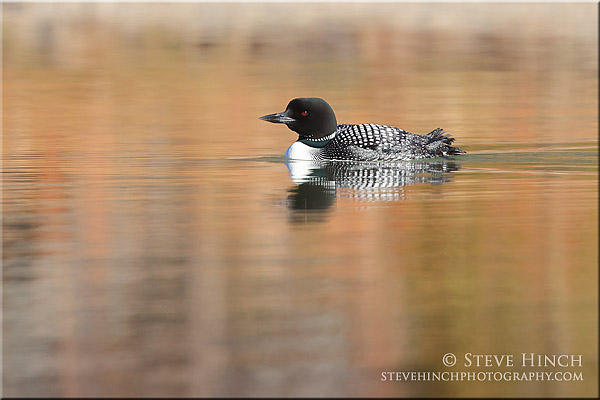
Each spring, common loons migrate through southwest Montana on their way to nesting grounds further to the north. During this time they can be found on many lakes in the area and I enjoy spending time looking for these beautiful birds. I watched as this bird swam up the river towards me and, as luck would have it, was ready when he started preening and then flapping his wings. Capturing these moments requires one to be ready as they only last a moment so I often don’t take my eye away from the viewfinder.

Common Loon. Canon R5, 500mm + 1.4TC, 1/4000 @ f5.6, ISO 1600

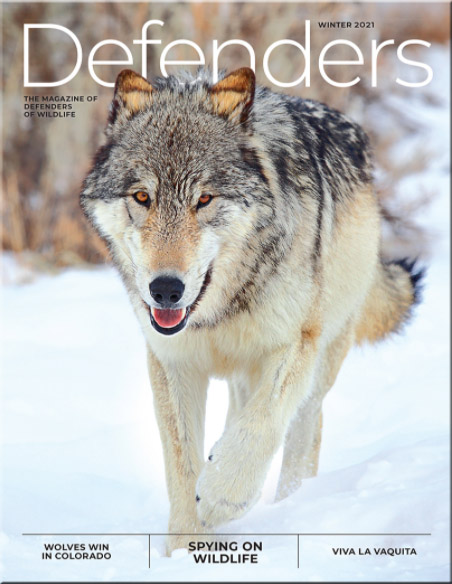
Defenders Cover

Back in December, I think, I had posted some older wolf images that I had gone over for a project. I hadn’t posted the results of that project but here it is, the cover of Defenders Magazine for the winter 2021 edition. Defenders is published by the Defenders of Wildlife and I’ve done a few projects with them now and they’re always great to work with.

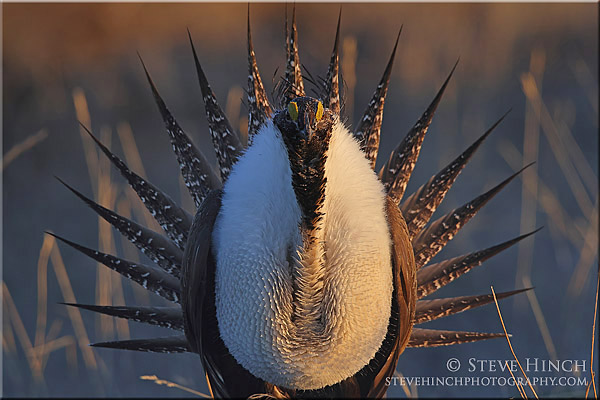
Greater Sage Grouse

Greater Sage Grouse. Canon R5, 500mm +1.4TC, beanbag, 1/1250 @ f8, ISO 1600

Thanks to a tip from a friend, I spent a couple of days photographing at a greater sage grouse lek not too far from home. It’s interesting to see a lek because typically, one would see this sagebrush habitat and think nothing really lived in it. But when seeing a lek, or breeding ground, and there are 50 or more birds displaying, one realizes how much life this dry habitat supports. This image was taken from my car shortly after the sun had come up.

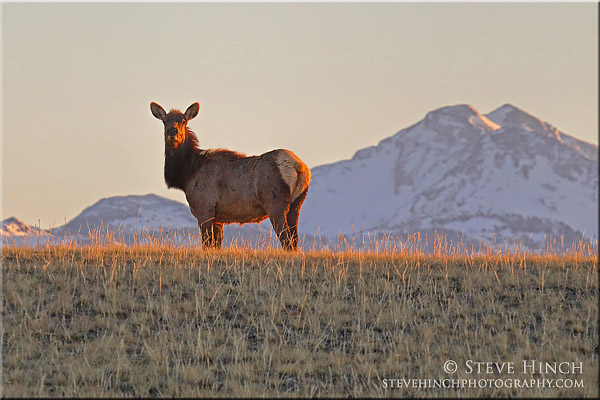
Elk and the Madison Range

Cow elk. Canon 5d4, 400mm, beanbag, 1/640 @ f11, ISO 1600

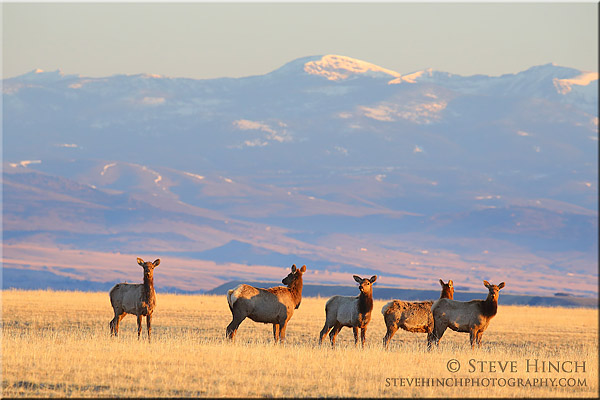
Elk winter in the valleys outside Yellowstone National Park, often following the rivers. They’ll winter in the lower elevation were snow is less common and it’s easier for them to move about and find forage. In the Spring, they begin moving back into the higher elevations. Eventually, seeing elk in the low river valleys is less common as they follow the greening grass up into the peaks. Yellowstone National Park opened for the summer season recently but I head the other direction this time of year as I look for migrating wildlife in scenic locations such as this one.

Cow elk. Canon 5d4, 350mm, beanbag, 1/800 @ f8, ISO 1600

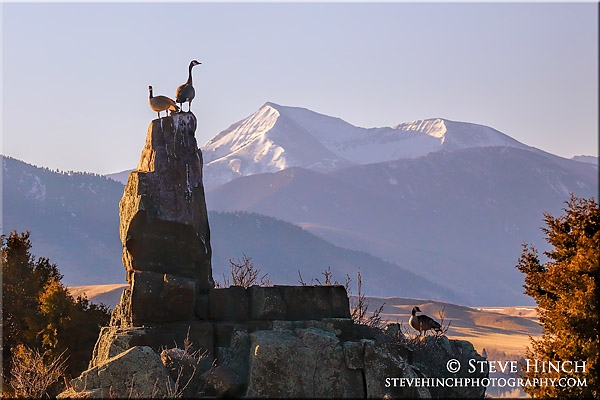
Um… How do we get down?

Canada Geese. Canon 5d4, 150mm, handheld, 1/8000 @ f8, ISO 1600

We’re geese, we fly down! Canada geese use this rocky island to nest and several pairs can often be found here. But, even though the stains at the top of the spire suggest they’re up there often, I’ve never had a chance to see them up there before.

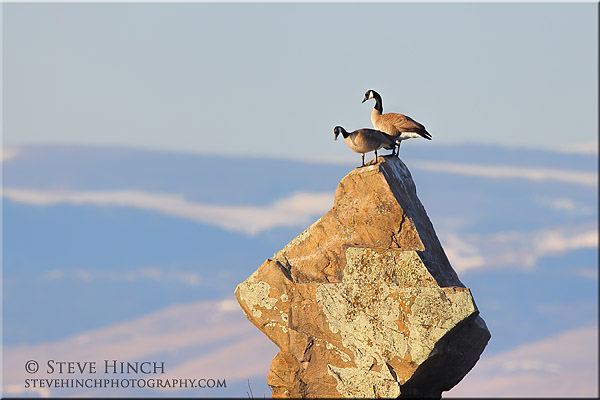
Canada Geese. Canon R5, 500mm + 1.4TC, tripod, 1/4000 @ f8, ISO 1600

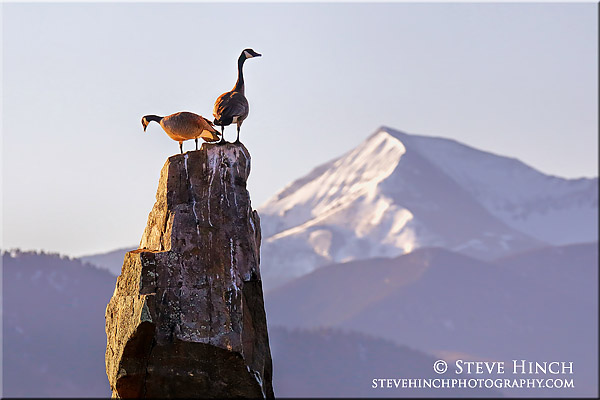
But I did think it was kind of humorous as the one goose kept looking down as if saying, “are you sure we should be up here?” I photographed them from a couple of different angles; one to take advantage of the mountain backdrop and the other to take advantage of the light.

Canada Geese. Canon 5d4, 300mm, handheld, 1/2500 @ f8, ISO 1600

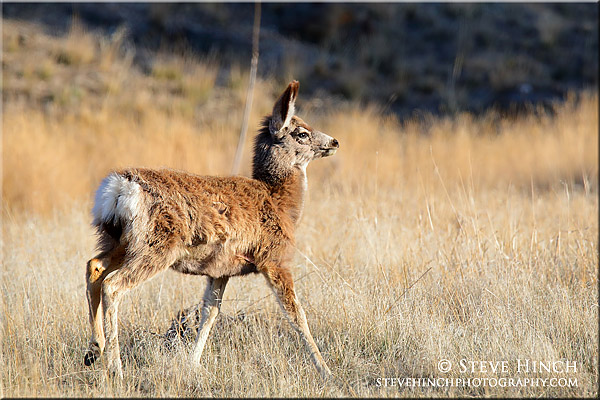
Little Mulie

Mule Deer. Canon 5d4, 450mm, beanbag, 1/1250 @ f8, ISO 1600

Migration is under way and not just for birds. Elk and smaller deer are moving from wintering grounds towards summer grazing areas. This is a time of year where I am pretty busy in the field trying to photograph various species, both bird and mammal, as they transition to summer. This young mule deer, having survived it’s first winter, still sports a heavy coat.

Yellowstone’s 2021 Summer Season

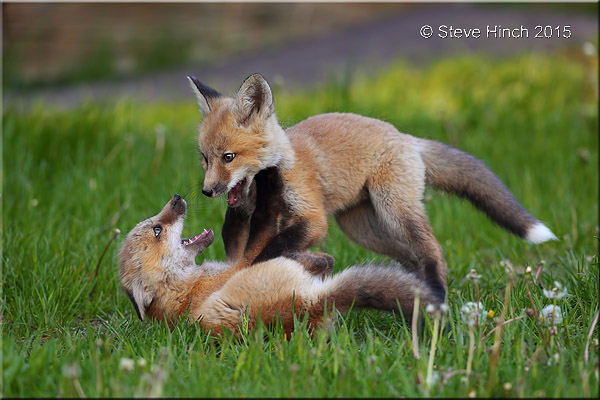
Red Fox Kits. Canon 5d3, 500mm, tripod, 1/500 @ f5.6, ISO 1600

Yellowstone National Park will begin opening roads for the 2021 summer season on Friday, April 16th. If you’re planning on visiting Yellowstone this summer and are interested in seeing my work, there are two locations were you can do so. In West Yellowstone, Montana, visit Seldom Seen at 115 Yellowstone Avenue. They have a large selection of metal prints, notecards, and matted prints on display and for purchase. In Bozeman, Montana, a selection of metal prints can be viewed and purchased at Cello Gallery at 2 West Main Street. And several of my books can be found throughout the area at many book stores and gift shops.

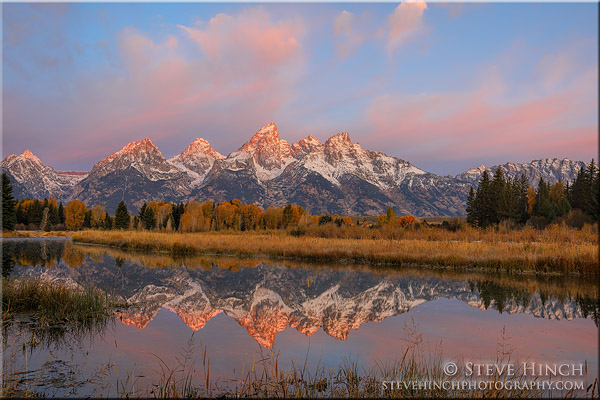
Grand Tetons at Sunrise. Canon 5d4, 35mm, tripod, 1/10 @ f16, ISO 500

Heading North

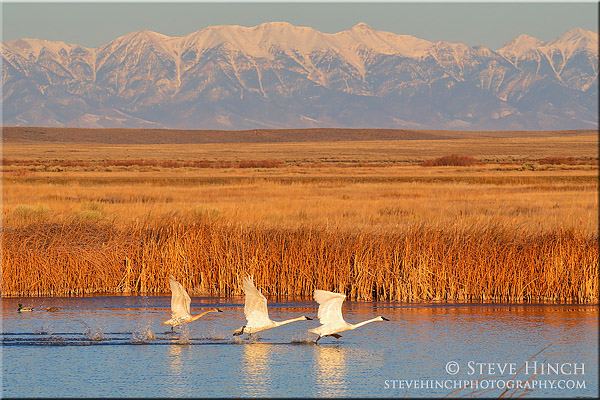
Tundra Swans. Canon 5d4, 250mm, handheld, 1/640 @ f11, ISO 1600

Spring is the time of migration and one of the most impressive migrations is that of the snow geese and tundra swans as they move north back towards the Artic. With a newborn in the house, overnight trips are out of the question right now, so I missed the big number of snow geese that stop in Montana each March, but I did head down to a local refuge and was able to find some cool stuff. There was a slight breeze from the north and large waterfowl need to take off into the wind. When I saw them slowly floating to the south end of the pond, I figured they might soon take flight. Sure enough, within a matter of minutes they were off.

Establishing Territory

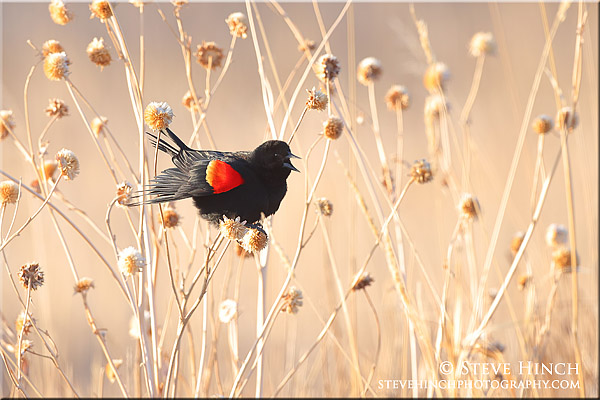
Red-winged Blackbird. Canon R5, 500mm, beanbag, 1/1600 @ f5.6, ISO 1600

Red-winged blackbirds are back and establishing their territory. I made a trip down to a couple of local wildlife refuges yesterday morning. I didn’t have any luck with mammals but the birds didn’t disappoint. I love when I can get a displaying male red-winged blackbird in some interesting plant life. This was photographed from the car, hence the “beanbag” mention in the caption. I’ll explain about the beanbag I use at later time but it just helps balance and keep steady a long telephoto lens.