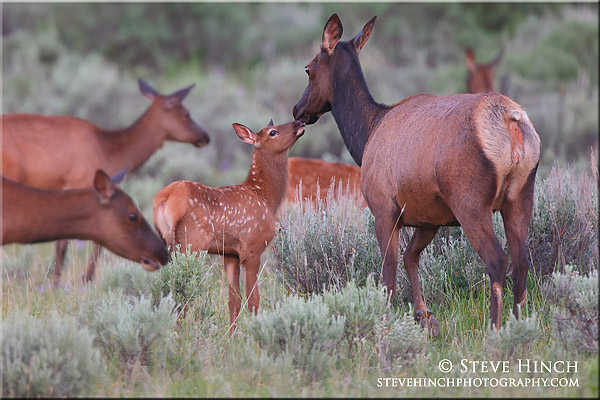
Elk Cow and Calf. Canon R5, 500mm + 1.4TC, beanbag, 1/200 @ f5.6, ISO 4000
I was wondering when I might finally see an elk calf this summer. So far all I’ve seen are pronghorn fawns. But last week before the sun had come up all the way, I encountered one of the largest nursery herds I’ve seen with perhaps 100 cows, many of them with a calf in tow. The light was low, so I pushed my ISO up to 4000. I could or should have gone higher in hindsight. But this photo came out nicely.
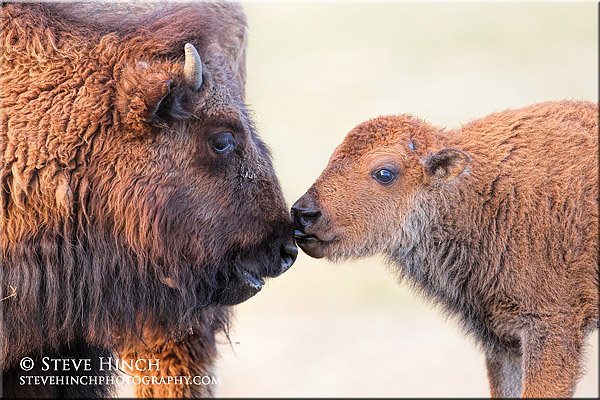
Immature bison and calf. Canon R5, 500mm, beanbag, 1/160 @ f5.6, ISO 1600
This curious little bison calf was quite social, at least on the day I was watching. It approached this immature bison and, when greeted in a friendly manner, actually liked it’s nose. It made me wonder if possibly they were both from the same cow, just in different years, obviously. The interaction lasted for several minutes before the calf returned to it’s mother who was standing close by.
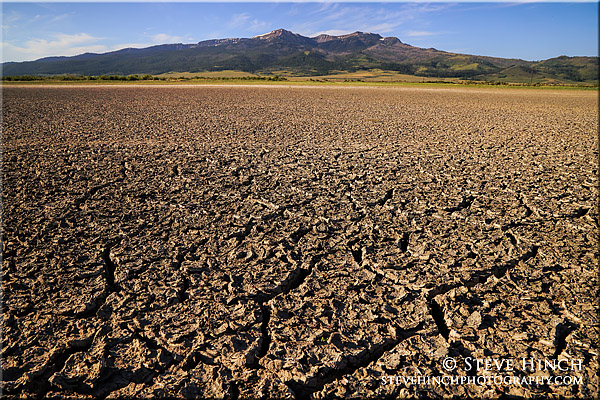
Much of the West has been under varying degrees of drought for the past several years and Montana is no exception. The southwest part of the state has been the worst but this year drought conditions have become more severe across more of the state. One of the places I spend much of time is extremely dry this year. Above, what is normally a year-round shallow pond is currently baked mud. I typically make it out to this location by late May or early June and, this year, this pond has been dry since before my first visit. Typically right now this pond is full of wading birds and gulls. Another pond across the road still has water but is shrinking fast. A few birds were using it but as of my last visit, most have moved on to better locations.
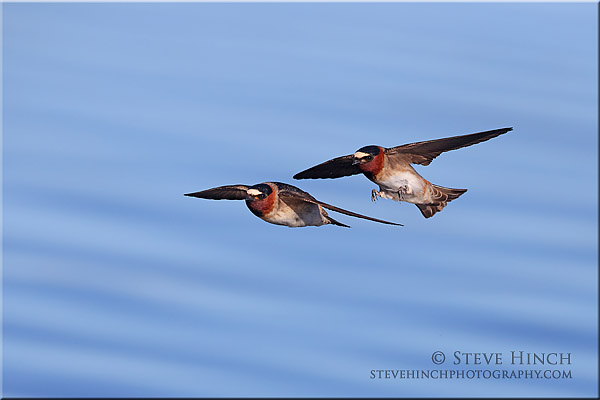
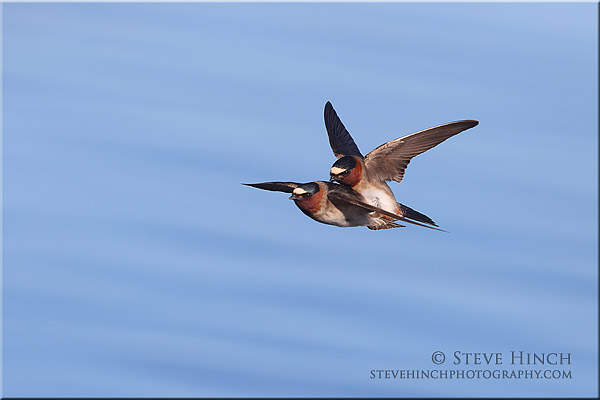
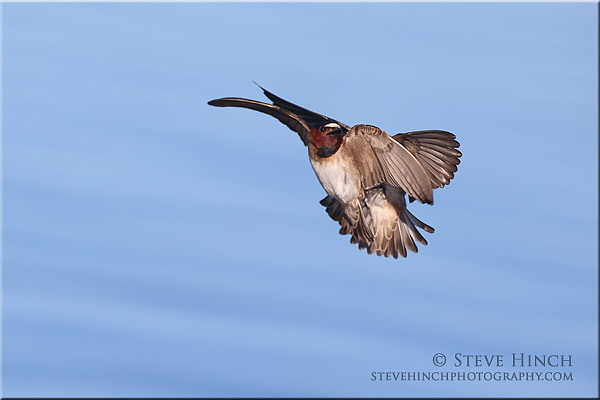
A fellow photographer, Adam Jones, posted a pretty amazing image of a swallow in flight using the Canon’s new R5 camera. These little birds fly so fast and so erratically that I honestly never thought much about trying to capture them in flight, but after seeing Adam’s photo, I thought I’d give it a try. Adam convinced me to get the R5 back in January and it’s a great camera though some of them have some serious flaws. I’ll get into that later. One of the amazing thing about the camera is it’s ability to track birds in flight fairly well. While my rate of keepers was expectedly low, I was surprised to have any keepers at all. While not as spectacular as Adam’s image, I was excited to capture this interaction. In honesty, the first image is pretty sharp and well focused. The subsequent two images lose focus enough that I can still use them here but probably not for much else.
The second image, above, is still focused enough that I could probably print it nicely but I wish the third image was a little sharper. With the fourth frame, since I was tracking their flight and this interaction brought them to a near stop, I have the birds half out of the frame. All the same, I was pretty impressed that I was able to capture any flight shots of these fast erratic flyers and the large files of the R5 give me room to crop and still have a large enough file for printing. As good as the R5 has been, there has been some production issues. The most notable is that the camera locks up for no apparent reason and the only way to get it working again is to pull the battery. In 6 months of shooting, mine has done it three times but a friend had to send hers back to Canon. They replaced the motherboard in her camera but it didn’t solve the problem. Hopefully Canon will figure this one out quickly.
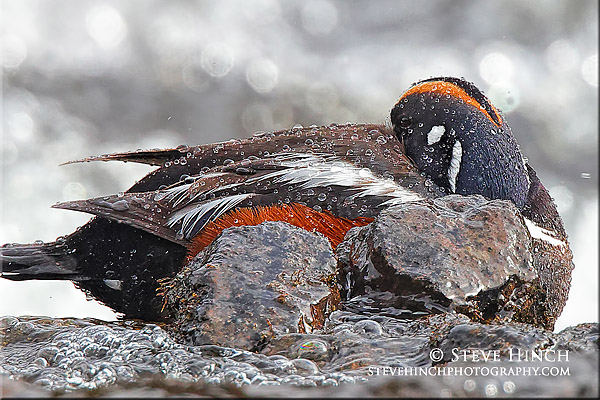
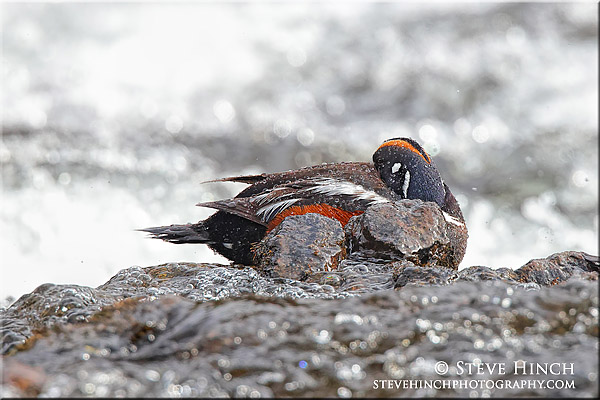
The above image is cropped in quite a bit because I wanted to show how the water from the rapids was beading up on this harlequin duck’s feathers. I thought it was pretty cool. The uncropped image is below. I spent a lot of time photographing the harlequins in Yellowstone last month and I’m quite happy with the results. In my opinion, harlequin drakes are among the most beautifully colored ducks, along with Mandarin and wood ducks.
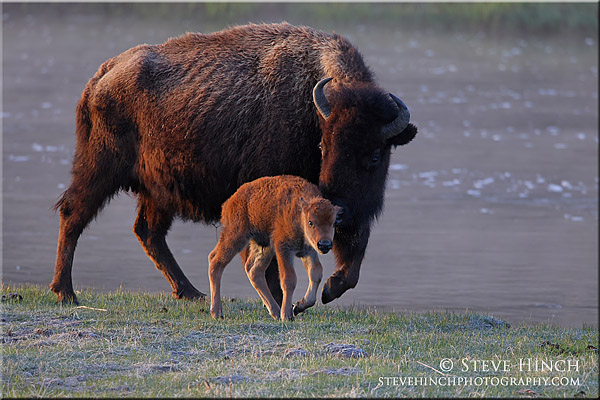
Bison Cow and Calf. Canon R5, 500mm + 1.4TC, 1/800 @ f5.6, ISO 2000
Last month, I spent a fair bit of time photographing bison, particularly calves. When I saw this calf at first, it couldn’t have been more than a few hours old. It was barely able to stand and was very wobbly on it’s legs. But it didn’t take long before it was walking around and keeping up with it’s mom. This image was taken at first light as the calf tested out it’s legs. A few hours later, one would have no idea this little guy was wobbly as he was moving around like a champ.
Yellowstone National Park just released that vehicle entries into the park were 50% higher over Memorial Day weekend 2021 than the same time period in 2019. That means there are a lot of people visiting Yellowstone right now. A few weeks ago I had written about having patience if and when you encounter a bison jam. But if you’re visiting now, you will need to expect traffic tie-ups throughout the park and heavy congestion at popular parking areas such as the geyser basins. Visitation outside the parks is also high. Montana State Parks reported back in March that most of their reserved campsites were booked for the summer. But there are places to go to get away from the crowds. The photo above depicts a popular recreational area that is within the Greater Yellowstone area. I won’t post the location here but if you’re interested in finding it, a little research will divulge it’s location.
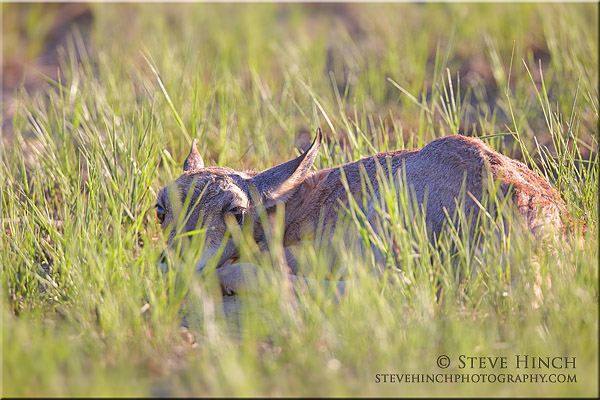
I went out a few days ago to look for elk calves. It’s June and that means babies of all kinds are out and about now. But the elk must have had their calves hidden in tall grass or sagebrush as, while I found plenty of elk, I didn’t see any calves. I chose to head down a dirt road to see if I’d have any luck. Driving along pretty slowly, I scanned the area for wildlife. As I rolled along, I saw a shape in the grass that looked different. As I slowly moved closer I noticed it was a pronghorn fawn hiding in the grass alongside the road. I didn’t get out as I didn’t want to startle it and instead used my car as a blind and spent a few minutes photographing. If you find a fawn of any kind like this, please don’t try to move it. This is how they camouflage to hide from predators. The mother is somewhere close by and will return to nurse. It is not abandoned and treating it as such places unnecessary stress on it and can lead to it’s death.
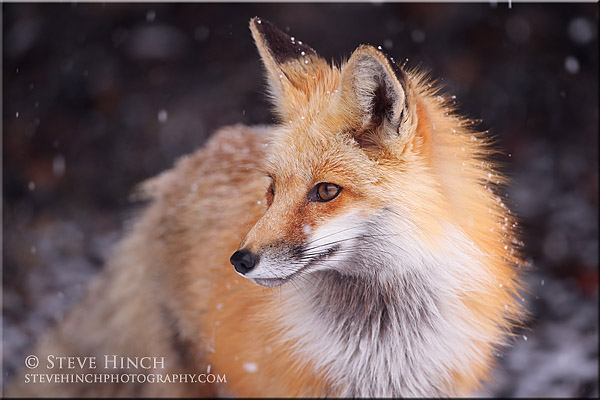
Red Fox. Canon R5, 500mm + 1.4TC, tripod, 1/320 @ f5.6, ISO 1600
I hadn’t posted in a while as we had family visiting for the first time since 2019. It was great and what was even more great was that my daughter was able to spend time with her grandmother. Since we’re having record-setting heat right now, I thought I’d go back to May 21. It was snowing lightly when I encountered this fox in the evening. Little did I know that the next morning we’d have nine inches of snow on the ground. Two weeks later we’re having record high temperatures.


 steve hinch photography