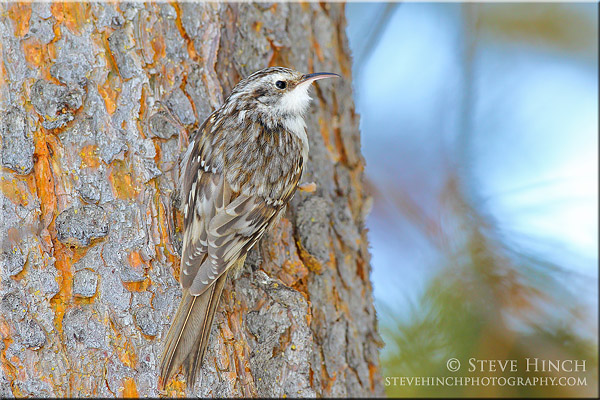
Brown creeper. 500mm, tripod, 1/500 @ f5.6, ISO 800
I photographed somewhere around 15 species of birds in the backyard this winter, but brown creepers were certainly the toughest to get a decent photo. I kind of lucked into this photo as I was set up by a pine tree when this one landed near me and stayed still long enough for me to get this image.
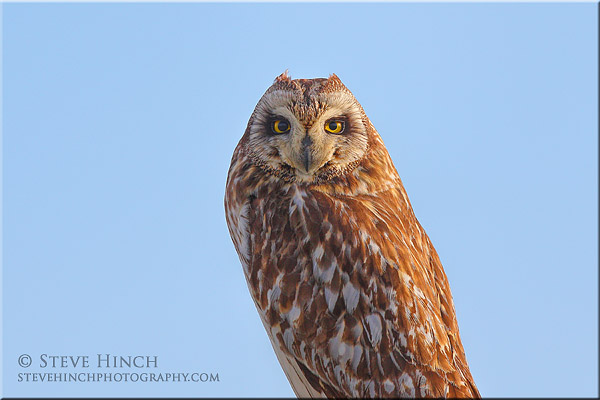
Short-eared owl. 500mm, beanbag, 1/800 @ f8, ISO 500
Welcome to Sunday! I hope everyone is staying safe and healthy. This image is from July 2019 at a local wildlife refuge. This short-eared owl was perched on a road sign along a very lightly traveled dirt road. I pulled over and, so as to not disturb it, opened my sunroof and photographed out of the top of the car. I was there for a quite a while and the bird was still perched when I left. I did see it eventually fly off from way day the road quite a while later. I was on a mission last summer to find and photograph short-eared owls and this bird was probably the most cooperative one I found.
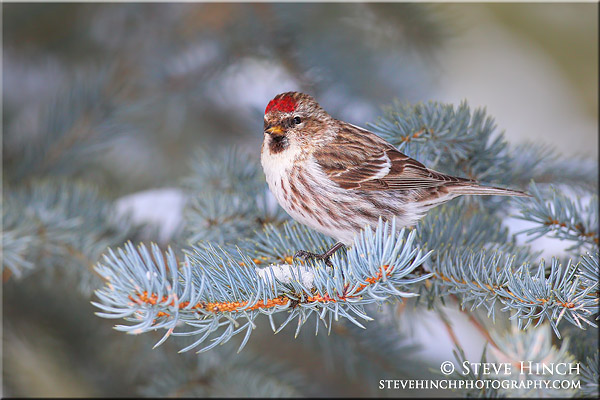
Common redpoll. 500mm, tripod, 1/1000 @ f5.6, ISO 500
Obviously, I’ve had a lot of time to stay at home and do some backyard birding. This time of year is always interesting because there’s a chance of early migrators coming through. This one surprised me though. It’s a common redpoll and summers adjacent to the Artic Ocean. In fact, they rarely come too far south and I haven’t seen one in several years. Every couple of years, they irrupt into the portions of north and central US. I was pretty excited when a pair of them showed up yesterday.
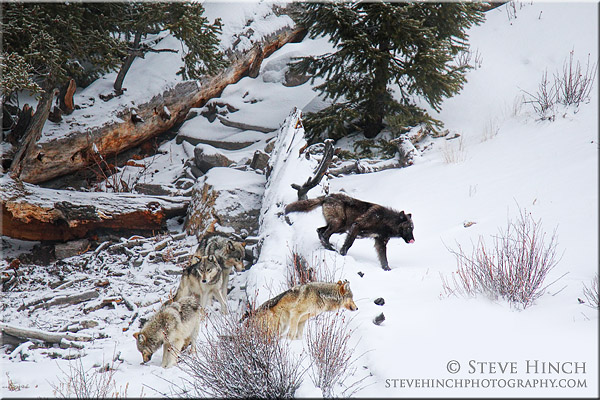
Gray wolves. 600mm, tripod, 1/250 @ f6.3, ISO 1600
Since many of us are staying at home right now, I thought I would go back to the start of last year and post one photo from each month that I haven’t posted anywhere. This one is from January 2019 and shows the Wapiti Pack along the Madison River gathering together to move out. The light wasn’t great and they never were really close but every snow coach in the park coming in from West Yellowstone must have been stopped there that morning.
About ten to fourteen days ago, this immature male red crossbill showed up in my backyard. He had trouble flying and was only able to fly a few feet at time, never going far from my feeders. I checked him out by photographing him at different angles and couldn’t see any injuries so I was a little baffled by what was wrong. He would hop from branch to branch in order to get high enough to glide over to the next tree away from the feeders where he would spend the night. When in the feeder, he would chase off any larger birds that tried to feed, so he certainly had spirit. I don’t have a lot of crossbills this winter and he is certainly the brightest yellow one we’ve had. After watching for a week or so, all the crossbills disappeared for several days, including this one. Late yesterday afternoon, two males came back in. Shortly after, he flew in as well, fed with them, and then flew off into the forest as strong as ever. No idea what happened, but I was glad to see he recovered and was healthy again.
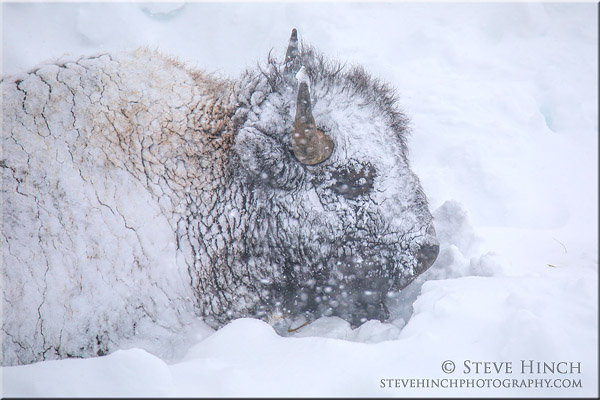
Locally, February 2019 was jokingly referred to as the blizzard month as huge snowstorms pummeled the region after what had been a fairly mild winter. Surprisingly, as I go through images from that month, I did pretty well photographically. And before you feel bad for this bison, the snow sticking to it’s coat is a sign that the animal is healthy and relatively warm as it is not losing any body heat. It was snowing so hard that these animals were covered completely in a few minutes. Every so often, they’d stand up, shake off the snow, and then hunker back down against the storm. Bison are indeed hardy animals.
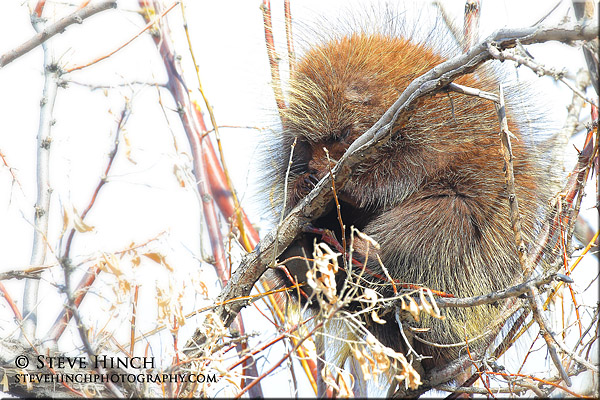
One of these days I’ll find a porcupine sleeping in a tree that doesn’t have his/her face obscured by vegetation! This guy was sleeping near the top of a cottonwood tree and when I saw him initially, I thought he was in the perfect location. His backside was, but he had just enough twigs in front of his face to make it a near miss. I hadn’t posted much lately and I’ll try to do better going forward. With the wife home full time right now and my birthday this past weekend, I haven’t focused on posting much.
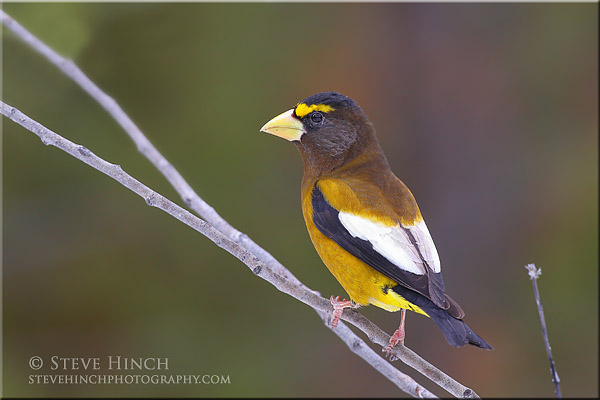
Evening grosbeak. 500mm, tripod, 1/640 @ f5.6, ISO 800
With all that’s going on around the world right now, I hope this beautiful little guy can put on a smile on a few faces. The evening grosbeaks returned to our yard yesterday. When I walked the dogs yesterday morning, I was pretty sure I heard their distinctive call. Sure enough, a couple of hours later, I spotted the first one in the yard and shortly after there were five. They certainly were a bright spot in the week for me!
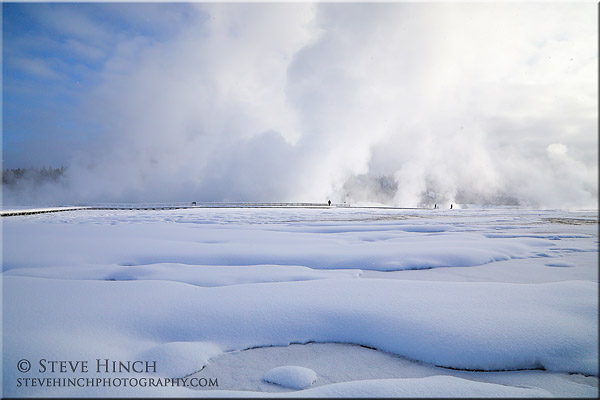
Today is the last day for access via over-snow vehicles to the interior of Yellowstone hence ending another winter season. That said, depending how you define winter, winter weather is still possible across the region for quite a while longer. Plowing is underway in Yellowstone and roads will being opening around the third week of April. This image was taken this winter at Midway Geyser Basin. The view across the layered snow shows steam rising from Excelsior Geyser. Excelsior Geyser supposedly had eruptions 300 feet high by 300 feet wide but it’s believed those powerful eruptions damaged the plumbing system. Today, it still discharges around 4,000 to 5,000 gallons of water per minute into the Firehole River.
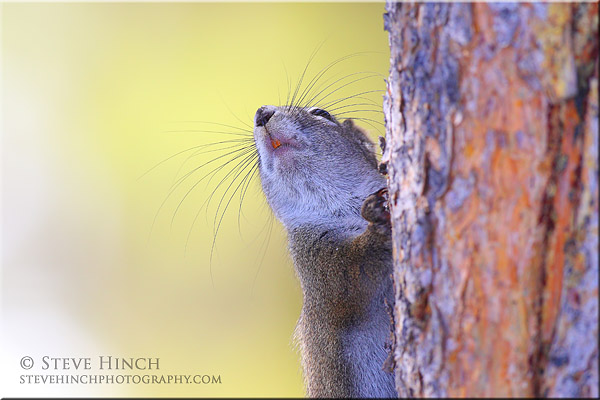
Red squirrel. 500mm, tripod, 1/500 @ f5.6, ISO 800
While photographing backyard birds, our yard squirrel decided to pay a visit. We actually have two yard squirrels but who’s counting? As he climbed a pine tree, he moved into a spot where the morning light was beautiful for a background and his pose was kind of interesting too. I do enjoy photographing animals that are common and perhaps not as exciting as some others and making interesting images with them.


 steve hinch photography