Survivor

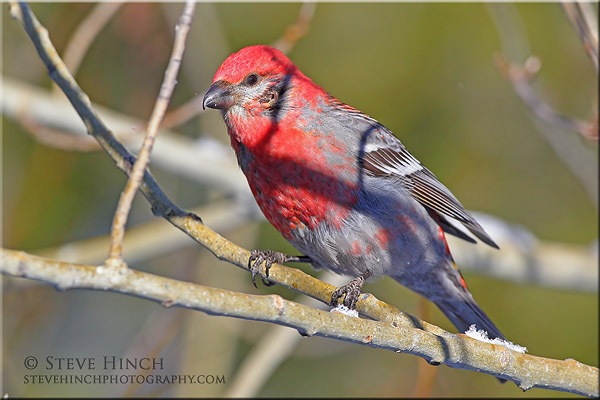
Pine grosbeak. 500mm, tripod, 1/3200 @ f5.6, ISO 1600

Last week I posted a photo of a Clark’s nutcracker and described it killing and eating a pine grosbeak. Two days later, I was in the backyard with my dog when a nutcracker attacked another grosbeak. My dog ran towards the commotion, scaring the nutcracker away. The grosbeak sat dazed on the snow. I grabbed my dog to prevent her from grabbing the grosbeak and the bird flew off before I could see how badly it was hurt. Yesterday this bird showed up at one of my feeders. You can see the injury behind the eye where the shadow from a branch crosses the head. I’m making a huge assumption, but I’m guessing this is the same bird. Injury aside, he seemed healthy and active. Since the first predation, I made changes to my feeders to discourage the nutcrackers from coming around and they rarely do so now.
Idaho White-Tails

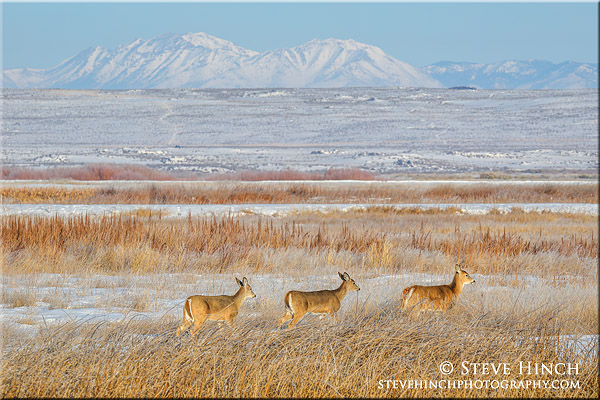
White-tail deer. 273mm, beanbag, 1/1250 @ f11, ISO 800

When there’s a background like these mountains in eastern Idaho, a long telephoto lens can be set aside so the photo can include the entire scene. While the three white-tails walking in a row was nice, the mountains made the scene and gave it all a sense of place. I have to admit, I’m a bit of a sucker for wildlife photos with mountain backgrounds.

Junco’s Return

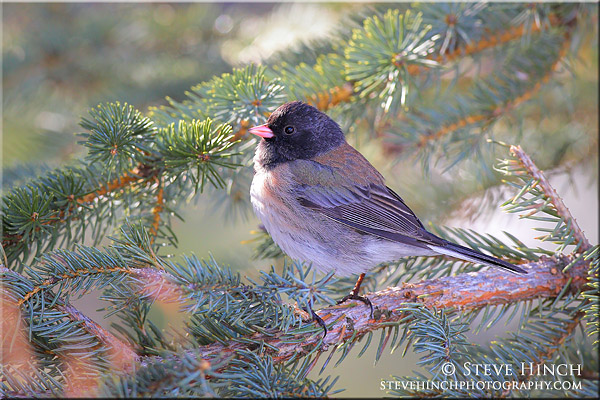
Dark-eyed junco. 500mm, tripod, 1/160 @ f5.6, ISO 800

Dark-eyed juncos returned yesterday to our area. I saw about 8 of them in the backyard. It’s their first appearance since November. Some places, Dark-eyed juncos are called “snowbirds” because they show up in the winter. Not here though. They usually leave in late autumn or early winter and start showing back up at this time of year. Keep in mind, I live at an elevation of just under 6,700 feet!

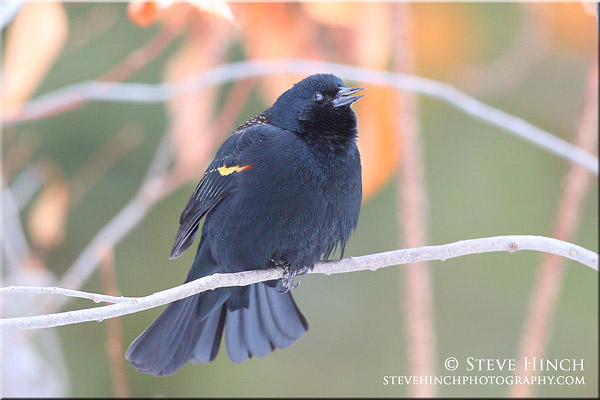
Red-Winged Blackbird

Red-winged blackbird. 500mm, tripod, 1/320 @ f5.6, ISO 1600

This has been an interesting week in the backyard. First Vlad the Nutcracker Impaler and his handy work and then we had this red-winged blackbird show up. While not an uncommon bird by any stretch except… I’ve never had one in the backyard before. He’s alone but has been around since Saturday and seems healthy. We have nothing but pine forest around us for miles, though any water areas are still frozen over right now anyway. I guess he’s going to hang out with us until things thaw out. As you can see by this photo, he’s serenading us too, which I totally don’t mind at all.

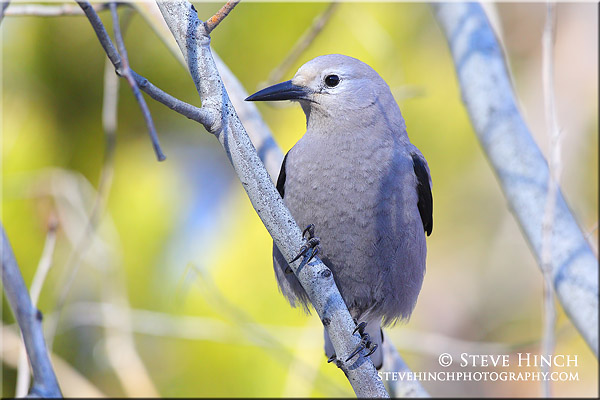
Vlad the Impaler

Clark’s nutcracker. 500mm, tripod, 1/800 @ f5.6, ISO 800

With a long, dagger-like bill, I always suspected these birds as being dangerous to smaller ones though I hadn’t read anywhere that they will kill other birds, only feed on carrion. But on Saturday, I witnessed a Clark’s Nutcracker catch and kill a pine grosbeak. It caught it with it’s claws, taking it to the ground, where it used it’s sharp bill as a dagger and stabbed the grosbeak until it was dead. Then it began to eat it. I was kind of surprised. Clark’s Nutcrackers are members of the corvid family which includes ravens, crows, jays, and nutcrackers. Given that other members of the corvid family are known to kill and eat other birds, especially young still in nests, I suppose I shouldn’t have been surprised by what I witnessed.

New Blog is Live

Mandarin duck. 363mm, handheld, 1/100 @ f5.6, ISO 800

I posted that my new website is up and running a couple of days ago and today I’m sharing that my new blog is also up and running. I decided to keep it separate from my main website so that if I ever change webhosts again, I won’t lose years of blog entries.
As for today’s photo, I’ve posted wood ducks and harlequin ducks, both of which are considered among the most beautiful duck species, but today I’m sharing a mandarin duck. I think these guys are probably THE most beautiful duck. As the name suggests, they are native to Asia but this one was photograph in a city park in Poland. Obviously imported to the park, the ducks were still able to fly and go where ever they wanted, but there were large numbers of them in the park along with mallards and other ducks.

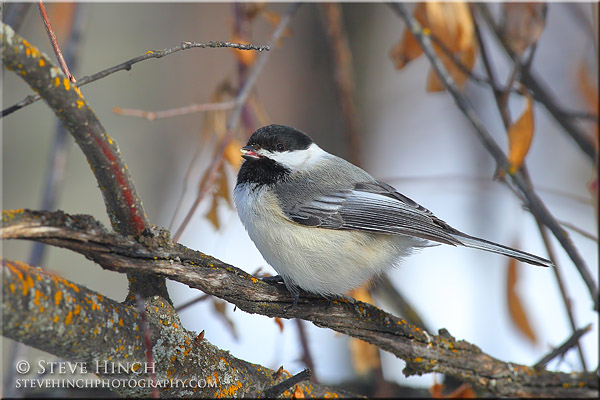
Black-Capped Chickadee

Black-capped chickadee. 500mm, tripod, 1/800 @ f8, ISO 800

I’ve had plenty of opportunities to photograph mountain chickadees since they nest in our backyard but had never photographed the more common black-capped chickadee, since we don’t get them. While I’ve seen them before, I’ve never had my camera with me, until this week when I went out purposely to photograph this little bird. They were in some pretty dense foliage so it was tough to get a clear image, but I did like the results of this one

New Website is Live

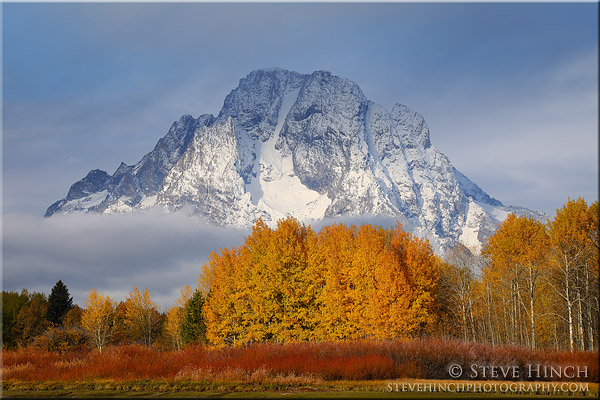
Mount Moran, Grand Teton National Park. 200mm, handheld, 1/400 @ f16, ISO 400

My website is now on the hosting service and is live! I tried to keep it as similar to the old one as possible but there are differences. The biggest issue right now is that my blog posts are gone. I’m still debating if I’ll use the blog with the new host or find a separate blog service so if I need to switch my website again in the future, I won’t lose my blog posts. Feel free to check out the website and if you see anything weird, send me a message and let me know!

Contortionist

Wood duck. 375mm, handheld, 1/500 @ f8, ISO 1600

Switching gears again, I’m going back to an image today taken from outside Yellowstone National Park.  This one was also taken at the end of last year, rather than more recently, but wood ducks are at least among my most favorite ducks, if not my favorite, due to their colorful plumage.  This wood duck was just beginning to flap his wings and I really liked the pose here as opposed to when his wings were fully extended, which is typically the pose I personally prefer.